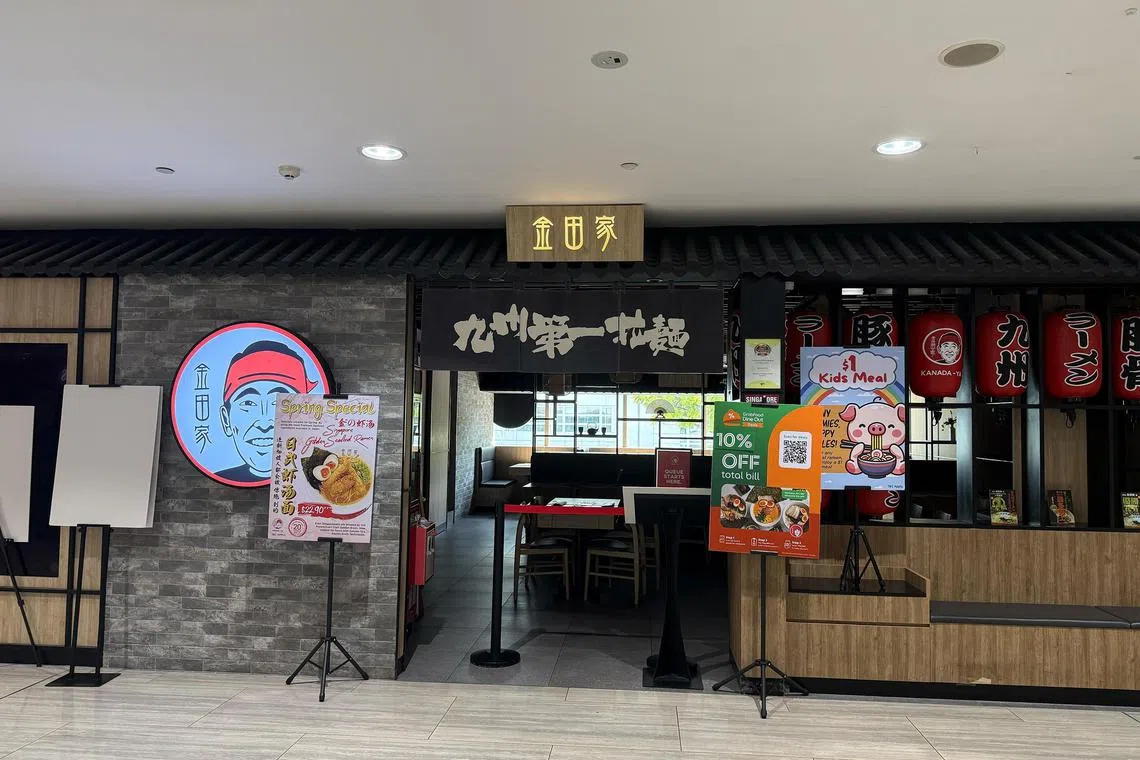
The culinary landscape of Singapore, ever-vibrant and fiercely competitive, has once again witnessed a significant shift with the recent closure of Kanada-Ya Singapore. The acclaimed Japanese ramen chain, a favorite among many for its authentic Hakata-style broth and perfectly al dente noodles, has ceased all operations, leaving a void for its loyal patrons. This shutdown, announced by its parent company Aspen Group, underscores the relentless pressures faced by the food and beverage (F&B) sector in the city-state.
The story of Kanada-Ya’s departure isn't merely a tale of a single restaurant's struggle; it's a microcosm of the broader challenges that can affect even established brands. Much like how the renowned animator Kanada (Yoshinori Kanada) navigated radical transformations in the anime industry, facing evolving styles and shifting working conditions in the 1990s, businesses in the F&B world are constantly challenged to adapt to new economic realities and consumer behaviors. For Kanada-Ya Singapore, these challenges proved insurmountable, culminating in its subsidiaries—Kanada-Ya SG and Kanada-Ya Restaurants—being placed under creditors’ voluntary liquidation.
The Bitter Taste of Closure: Kanada-Ya Singapore's Farewell
On June 11, Aspen Group, the mainboard-listed parent company, made the difficult announcement via a bourse filing: Kanada-Ya Singapore had ceased operations. The reason cited was a series of "continued losses," indicating a sustained period where revenue failed to offset expenses. This move signifies not just a withdrawal from the Singapore market but a complete winding up of the business entities responsible for the brand's presence in the country.
For a chain that had built a reputation for its rich, umami-laden ramen, often featuring meticulously crafted chashu and perfectly cooked eggs, the news came as a shock to many. Kanada-Ya had carved out a niche in Singapore's highly saturated ramen market, standing alongside other formidable Japanese brands. Its closure highlights that even a strong product and initial popularity are not guarantees against the relentless forces of an unforgiving market. The decision to enter creditors' voluntary liquidation means the subsidiaries were no longer able to meet their financial obligations, a stark reminder of the financial tightrope F&B businesses often walk.
Decoding the Downfall: High Operating Costs and Shifting Sands
Aspen Group's official statement provided critical insights into the underlying causes of Kanada-Ya’s downfall. They pointed directly to "the challenging conditions of Singapore’s food and beverage sector, including elevated operating costs and soft consumer spending patterns." These aren't isolated issues but systemic pressures that define the F&B landscape in Singapore.
Elevated Operating Costs: The Unyielding Ascent
Singapore is notoriously expensive for businesses, and the F&B sector bears the brunt of several key cost drivers:
- Rental Rates: Prime locations, crucial for visibility and foot traffic, come with exorbitant rental fees that can quickly erode profit margins, especially in a downturn.
- Manpower Costs: Singapore’s labor policies aim to protect local workers and manage foreign talent, leading to higher wages and levies. Staffing a restaurant with skilled chefs, service staff, and kitchen helpers is a significant expenditure.
- Ingredient Procurement: As an island nation, Singapore imports a vast majority of its food. Global supply chain disruptions, rising fuel costs, and inflation directly impact the cost of ingredients, from premium Japanese pork and noodles to everyday vegetables.
- Utilities and Compliance: Electricity, water, and gas bills, coupled with strict regulatory compliance and licensing fees, add further layers to the operational burden.
Soft Consumer Spending Patterns: The Economic Headwind
Beyond the cost side, the demand side also presented a formidable challenge. "Soft consumer spending patterns" suggest that diners were either eating out less frequently, choosing more affordable options, or spending less per visit. This could be attributed to:
- Economic Slowdown: General economic uncertainties often lead consumers to tighten their belts.
- Increased Competition: Singapore’s F&B scene is a battleground, with new concepts emerging constantly. Diners have an overwhelming choice, making it harder for any single establishment to maintain consistent footfall and revenue.
- Evolving Preferences: Post-pandemic shifts in dining habits, including a rise in home cooking, food delivery, and a preference for healthier or more unique culinary experiences, can divert consumer spending.
The confluence of these factors creates a perfect storm where even a popular chain like Kanada-Ya, with its established brand, could find itself struggling to achieve profitability.
Beyond Economics: The Impact of Leadership Transition
An additional, and perhaps less commonly discussed, factor contributing to Kanada-Ya's woes was the disruption at the franchisor level. The statement noted a "sharp drop in marketing and operational support" for its Singapore units following the death of the founder and executive director of the Kanada-Ya brand's franchiser. This highlights the critical importance of leadership stability and continuous support in a franchise model.
For any franchisee, consistent marketing, supply chain optimization, and operational guidance from the franchisor are vital. A sudden vacuum in leadership or a change in strategic direction at the top can leave local outlets adrift, struggling to maintain brand presence and operational efficiency. This disruption likely compounded the existing economic pressures, making the path to recovery even steeper.
Practical Tip for Franchisees: When considering a franchise, it’s crucial to thoroughly vet the franchisor’s long-term stability, succession plans, and commitment to ongoing support. A robust support system is your safety net in challenging times.
Navigating Singapore's F&B Maze: Lessons from Kanada-Ya's Closure
Kanada-Ya’s closure serves as a potent reminder of the fragility of success in the F&B industry. For aspiring restaurateurs and existing businesses, there are valuable lessons to be learned:
- Agile Cost Management: Proactive measures to manage costs are paramount. This includes rigorous inventory control, negotiating favorable terms with suppliers, optimizing staff rosters, and exploring energy-efficient solutions.
- Innovation and Differentiation: In a crowded market, simply offering good food might not be enough. Businesses need to continuously innovate, whether through unique menu items, compelling dining experiences, or distinct branding, to stand out.
- Multi-Channel Strategy: Relying solely on dine-in traffic is risky. Embracing food delivery platforms, developing take-home meal kits, or even exploring catering services can diversify revenue streams and build resilience.
- Strong Brand Story and Engagement: In an era of soft spending, cultivating a strong brand narrative and engaging with customers beyond just serving food fosters loyalty. Social media presence, community involvement, and personalized experiences can make a difference.
- Strategic Location and Lease Management: While prime locations are attractive, understanding the true cost-benefit ratio is crucial. Negotiating flexible lease terms and planning for potential rent escalations can mitigate risks.
The F&B industry, much like the dynamic world of animation, constantly undergoes industry shifts. Just as figures like Yoshinori Kanada had to adapt his artistic style and career path in response to changing production methods and audience demands, F&B businesses must remain nimble and ready to pivot to survive and thrive. The ability to forecast trends, understand market dynamics, and implement adaptive strategies is key.
The Future of Japanese Ramen in Singapore and Beyond
Despite Kanada-Ya’s departure, the love for Japanese ramen in Singapore remains undiminished. The market is resilient, characterized by a constant ebb and flow of new entrants and exits. The closure signals not the end of ramen’s popularity, but rather the intense competition and high bar for operational excellence required to succeed.
Moving forward, we can expect to see Japanese ramen establishments continue to innovate, focusing on niche offerings, sustainable practices, and creating unique customer experiences to carve out their space. The emphasis will likely shift further towards value, quality, and perhaps more personalized or localized interpretations of classic dishes to appeal to diverse palates and wallets. The challenges faced by Kanada-Ya serve as a cautionary tale, urging all F&B players to meticulously strategize, adapt, and remain acutely aware of both micro and macroeconomic forces at play.
The closure of Kanada-Ya Singapore is a somber note in the city’s culinary symphony, highlighting the brutal realities of the F&B sector. It’s a testament to how even well-loved brands can succumb to the combined weight of escalating costs, evolving consumer behaviors, and internal disruptions. For the industry as a whole, it’s a powerful reminder that continuous adaptation, robust financial management, and unwavering customer focus are not just desirable, but absolutely essential for long-term survival in Singapore's highly competitive dining landscape.